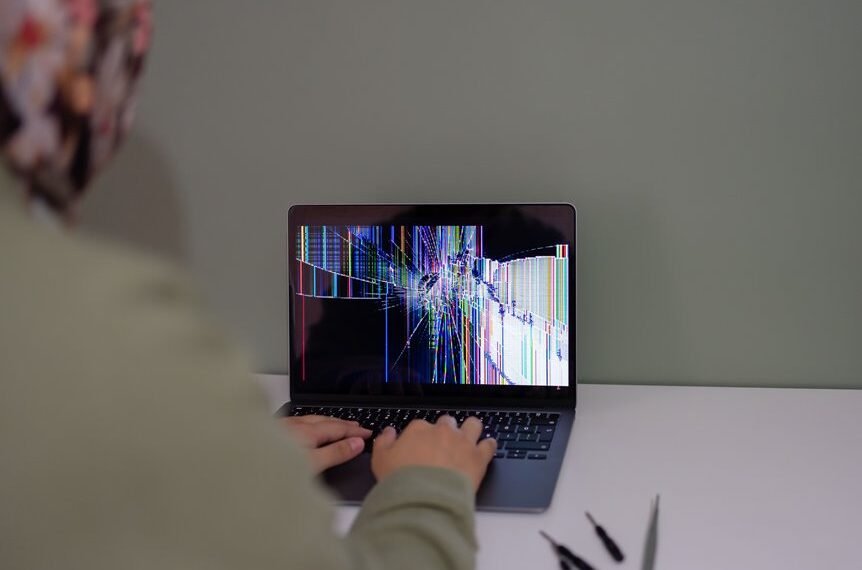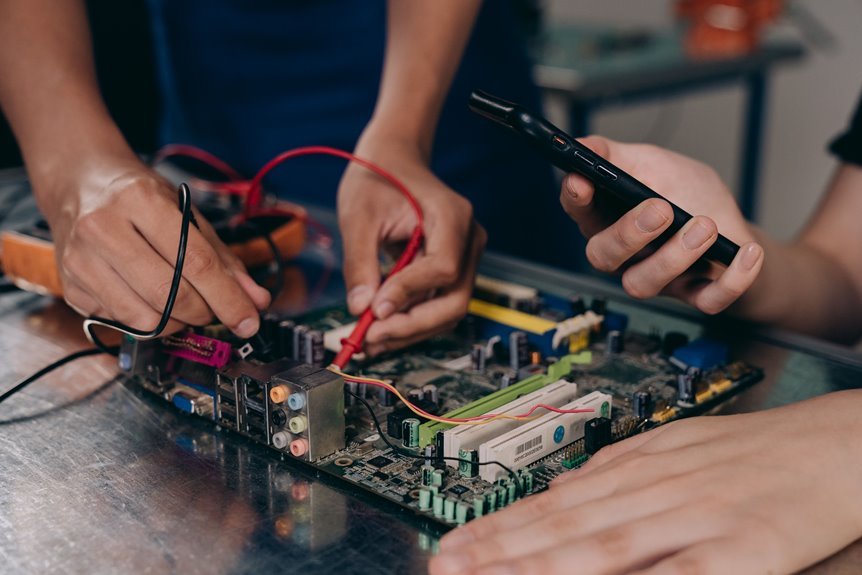
Establishing a reliable baseline is the first step in diagnosing performance drift, with emphasis on repeatable latency and thermal profiles. A measured approach to hardware tuning, software hygiene, and I/O balance helps identify bottlenecks before upgrades. Data-driven profiling should guide acclimation effects and cache usage, while lean software practices reduce background noise. The path forward hinges on robust backups and disciplined maintenance, but the practical choices behind each metric are what prompt the next investigation.
How to Quickly Assess Your Device’s Performance Bottlenecks
To quickly identify performance bottlenecks, observers should establish a baseline of expected device behavior and compare it to current metrics. The analysis remains analytical and proactive, focusing on objective signals.
Explore hardware acclimation, latency profiling, and thermal throttling diagnostics, and firmware update cadence. Findings emphasize repeatable measurements, minimal variance, and actionable steps to maintain freedom and predictable performance.
Practical Tweaks to Reclaim Speed: CPU, Memory, and Storage Basics
Implementing practical tweaks to reclaim speed hinges on targeted adjustments to CPU, memory, and storage while maintaining system stability; a disciplined, data-driven approach yields repeatable improvements.
The analysis emphasizes hardware tuning and system profiling to identify bottlenecks, then applies measured changes: optimize cache usage, balance memory, and streamline I/O.
Results are reproducible, with minimal disruption and clear performance metrics guiding decisions.
Taming Software Bloat: Clean Installs, Startup Control, and App Hygiene
Taming software bloat demands methodical discipline: clean installs, startup control, and ongoing app hygiene collectively reduce footprint, improve boot times, and sustain performance. This approach analyzes forceful pruning of redundant plugins and careful management of cloud syncs, ensuring lean operational pipelines.
It emphasizes proactive policy, minimalism, and disciplined updates to maintain responsiveness while preserving user autonomy and system freedom.
Data Safety and Long-Term Health: Backups, Updates, and Routine Maintenance
Data safety and long-term health hinge on robust backups, timely updates, and disciplined maintenance routines that sustain performance without sacrificing autonomy. The analysis emphasizes deliberate backup strategies and ongoing verification, ensuring recoverability while preserving user control. Attention to hardware lifecycle stages minimizes risk, extends resilience, and informs upgrade timing. Proactive monitoring, scheduled patches, and documentation support consistent operation and independent decision-making.
Frequently Asked Questions
What Specific Diagnostic Tools Best Identify GPU Vs CPU Bottlenecks?
Diagnostic tools like GPU-Z, MSI Afterburner, and Windows Performance Monitor accurately distinguish GPU from CPU bottlenecks; hardware monitoring reveals utilization, clocks, and temps. The approach is analytical and proactive, empowering users seeking freedom to fine-tune systems.
How Can Thermal Throttling Be Detected and Mitigated Effectively?
Detecting throttling requires monitoring clock speeds and temperatures; mitigating throttling involves improving cooling, adjusting power profiles, and repasting. The approach is analytical and proactive, revealing ironic restraint while empowering users seeking freedom from performance limits.
Which RAM Upgrade Yields the Most Noticeable Performance Boost per Dollar?
A RAM upgrade provides the most noticeable per-dollar value, delivering a budget boost by increasing memory capacity and throughput. The analysis favors mainstream DDR4/DDR5 kits, balancing cost, compatibility, and real-world multitasking gains for freedom-seeking users.
Are There Risks in Frequent OS Reinstalls and Data Loss?
Satire aside, the answer is cautious: there are risks in frequent os reinstalls and data loss. The subject remains analytic and proactive, noting risky reinstalls can jeopardize integrity, while deliberate backups mitigate consequences and preserve user freedom.
How Often Should System Caches Be Cleared for Optimal Health?
Clearing caches should be performed during regular system maintenance, roughly every few weeks to months depending on usage. This practice manages data bloat, preserves performance, and supports freedom by reducing unnecessary resource consumption and potential slowdowns.
Conclusion
In sum, the article presents a disciplined, data-driven approach to restoring performance. By establishing reliable baselines, continuous latency profiling, and thermal/firmware cadence, the analysis stays proactive rather than reactive. Hardware tuning targets acclimation effects and cache bottlenecks, while software hygiene eliminates bloat and stabilizes startups. Storage, memory, and repeatable metrics guide prudent upgrades, with robust backups and routine maintenance providing long-term resilience. In an era of rapid change, steady, measured optimization remains the timeless, sonic-boom-free anchor. Anachronistic reminder: a scheduled reboot, like clockwork, endures.